Bay of Vigo
The Bay of Vigo, a deep inlet on Spain's Atlantic coast, is the setting for one of the most consequential episodes in Captain Nemo's secret history. It was here, in October 1702, that a Spanish treasure fleet, laden with gold and silver from the Americas, was burned and scuttled by its own commanders to prevent the convoy from falling into the hands of an Anglo-Dutch alliance during the War of the Spanish Succession. For Nemo, this submerged battlefield is not a graveyard but a personal treasury, a source of incalculable wealth that he harvests at will to sustain his underwater empire and to finance his war against the injustices of the surface world.
The Historical Battle and the Sunken Treasure
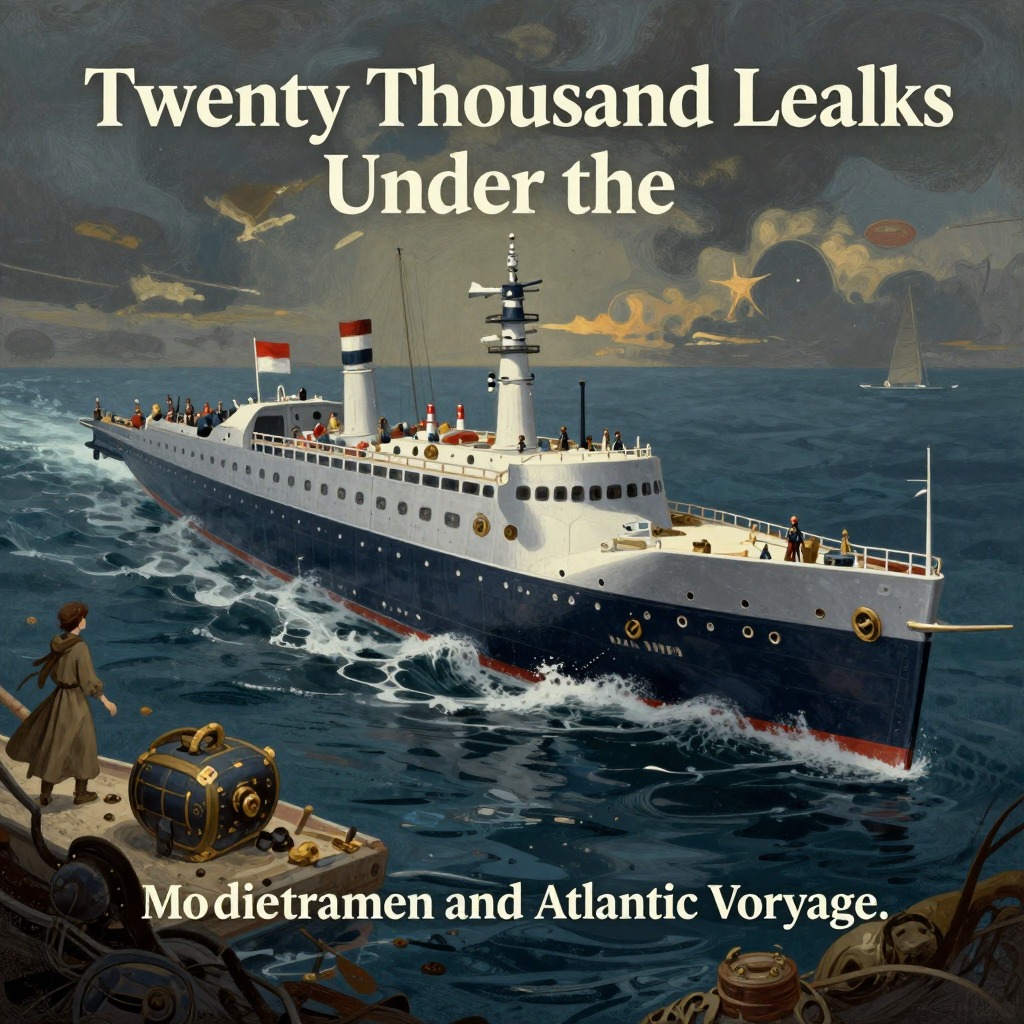
The event that created the bay's underwater wealth occurred during the War of the Spanish Succession. In 1702, a Spanish convoy carrying treasure from the West Indies, escorted by a French fleet under Admiral de Chateau-Renault, sought refuge in the Bay of Vigo after learning that the English fleet was blocking its intended destination of Cadiz. The Spanish commanders, overruling the French admiral, insisted on entering the bay. A dispute over trade rights with Cadiz merchants then delayed the unloading of the galleons. When the Anglo-Dutch fleet arrived on October 22, 1702, Admiral de Chateau-Renault, seeing that the treasure was about to be captured, burned and scuttled the entire convoy, sending the immense riches to the bottom of the sea. The treasure, estimated by Nemo to be worth 500,000,000 francs, lay undisturbed for over a century and a half, awaiting a finder who could reach it.
Captain Nemo's Personal Treasury
Captain Nemo has made the Bay of Vigo his personal bank vault. He reveals to Professor Aronnax that he regularly visits the site to retrieve the gold and silver from the sunken galleons, using the Nautilus's diving equipment to send his crew down to the wreckage. The scene Aronnax witnesses is one of methodical plunder: the waters around the Nautilus are saturated with electric light, illuminating a sandy bottom where crewmen in diving suits are busy clearing away half-rotted barrels and disemboweled trunks, from which spill ingots of gold and silver, cascades of jewels, and pieces of eight. The men load these valuable spoils into the Nautilus, returning again and again to this inexhaustible fishing ground for silver and gold. Nemo explains that he has charted the positions of a thousand other shipwrecks across the globe, making him, in his own words, "rich to the tune of billions."
The Purpose of the Wealth: Philanthropy and Vengeance
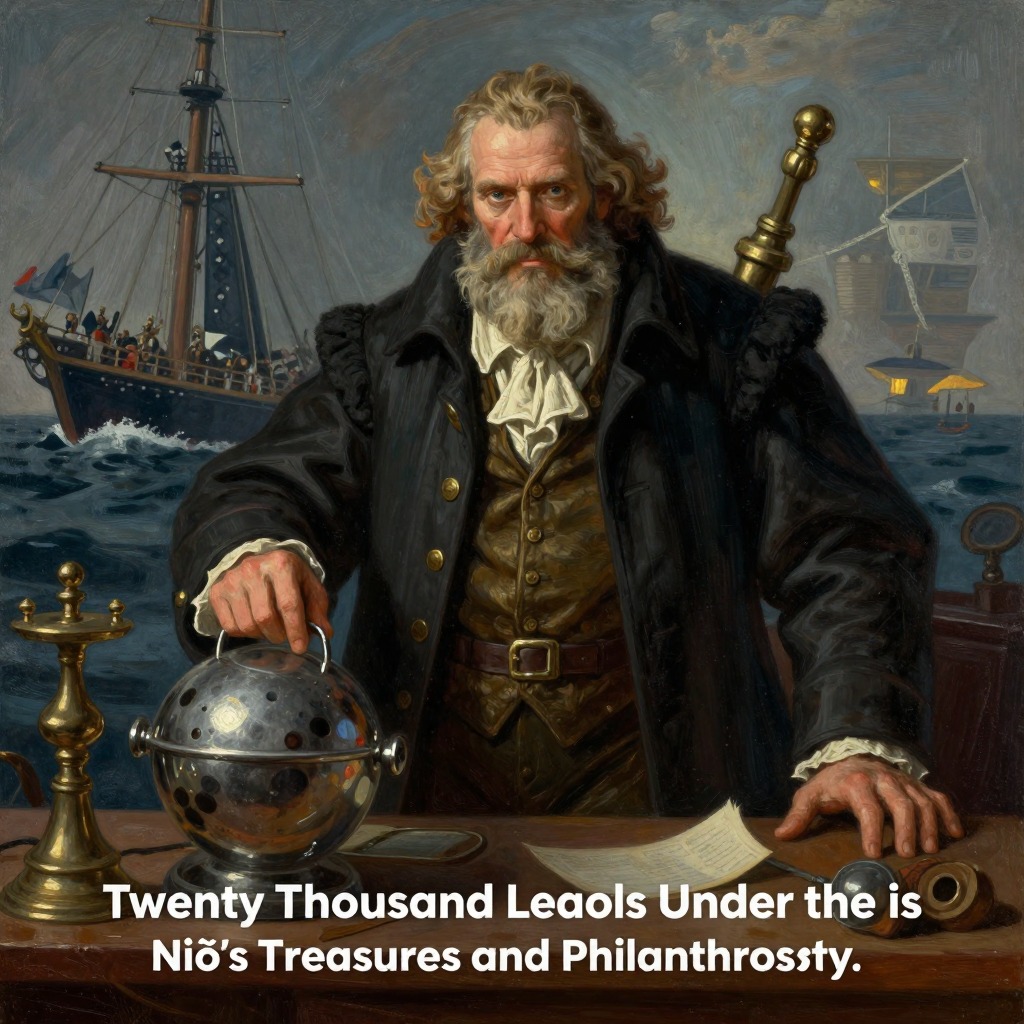
The Bay of Vigo treasure is not hoarded for personal luxury. When Aronnax suggests that the wealth is wasted, Nemo reacts with sudden, passionate animation. He demands to know what makes the professor assume the treasure goes to waste, asking, "Do you think I toil to gather this treasure out of selfishness? Who says I don't put it to good use? Do you think I'm unaware of the suffering beings and oppressed races living on this earth, poor people to comfort, victims to avenge?" This outburst reveals the dual purpose of Nemo's fortune. It funds his secret philanthropy, as Aronnax later realizes when he connects the delivery of a chest of gold ingots to a diver off the coast of Crete, an island then in rebellion against the Ottoman Empire. Simultaneously, the wealth sustains the Nautilus itself, the instrument of Nemo's personal vengeance against the imperialist nations he holds responsible for the destruction of his family and homeland.
Narrative and Thematic Significance
The Bay of Vigo episode is a crucial turning point in the novel, providing the first concrete evidence of Captain Nemo's immense resources and his secret, benevolent activities. It directly contradicts the image of a purely misanthropic recluse, revealing a man who is actively engaged with the world's suffering, even as he has physically removed himself from it. The location also serves as a powerful symbol of the sea as a repository of history and a source of power that lies beyond the reach of terrestrial governments. The treasure, lost to the surface world, is perfectly accessible to Nemo, reinforcing his claim that the sea offers a form of true independence and sovereignty. The bay thus becomes a nexus where the novel's themes of hidden wealth, historical memory, philanthropy, and righteous vengeance are all tied together.